Mastering the ATS
In modern technical hiring, your resume isn't read by a human first—it's parsed by an AI. Modern Applicant Tracking Systems (ATS) like Workday, Greenhouse, and Lever have evolved. They no longer just look for keywords; they understand context, tenure, and skill proficiency.
If your resume is a two-column visual masterpiece with icons and progress bars, you might be accidentally disqualifying yourself before a human ever sees your name.
The first step in any application is Extraction (Parsing). The system attempts to convert your PDF or Word doc into a structured JSON object.
- Structural Integrity: Complex layouts (columns, tables, sidebars) often cause the parser to scramble your experience.
- Header Parsing: Most systems use standard headers (
Experience, Education, Skills). Using creative headers like My Journey can break the logic.
- Skill Weighting: AI-enhanced systems now weigh skills based on their proximity to specific roles and the length of time you've spent using them.
To be truly "ATS-Friendly," you must prioritize unambiguous hierarchy.
1. The Standard Header
Use a single, centered header with your name (Largest Font), Location, LinkedIn URL, and Phone Number. Avoid putting these in the "Header" or "Footer" sections of a Word doc, as many parsers ignore those sections entirely.
2. The Multi-Tier Skill Section
Instead of a comma-separated list, group your skills logically:
- Languages: TypeScript, Python, Golang
- Frameworks: React, Next.js, FastAPI, Node.js
- Infrastructure: AWS (S3, EC2), Docker, Kubernetes, CI/CD
3. Experience with Quantified Impact
The ATS looks for "Result-Oriented" language.
- Bad: "Responsible for maintaining the backend API."
- Good: "Optimized backend API latency by 45% using Redis caching, servicing 500k+ daily active users."
- Rating Bars: An AI cannot parse "80% proficient in CSS." It looks for "5 years of CSS experience."
- Graphics and Icons: They often translate to "garbage characters" in the parser.
- Complex Tables: Tables are for data; your resume is a narrative. Use standard indentations instead.
The goal of your resume is to be successfully extracted. Once you pass the machine screening, the human recruiter will appreciate the clean, professional, and impact-driven layout.
Wait, looking at my current project context...
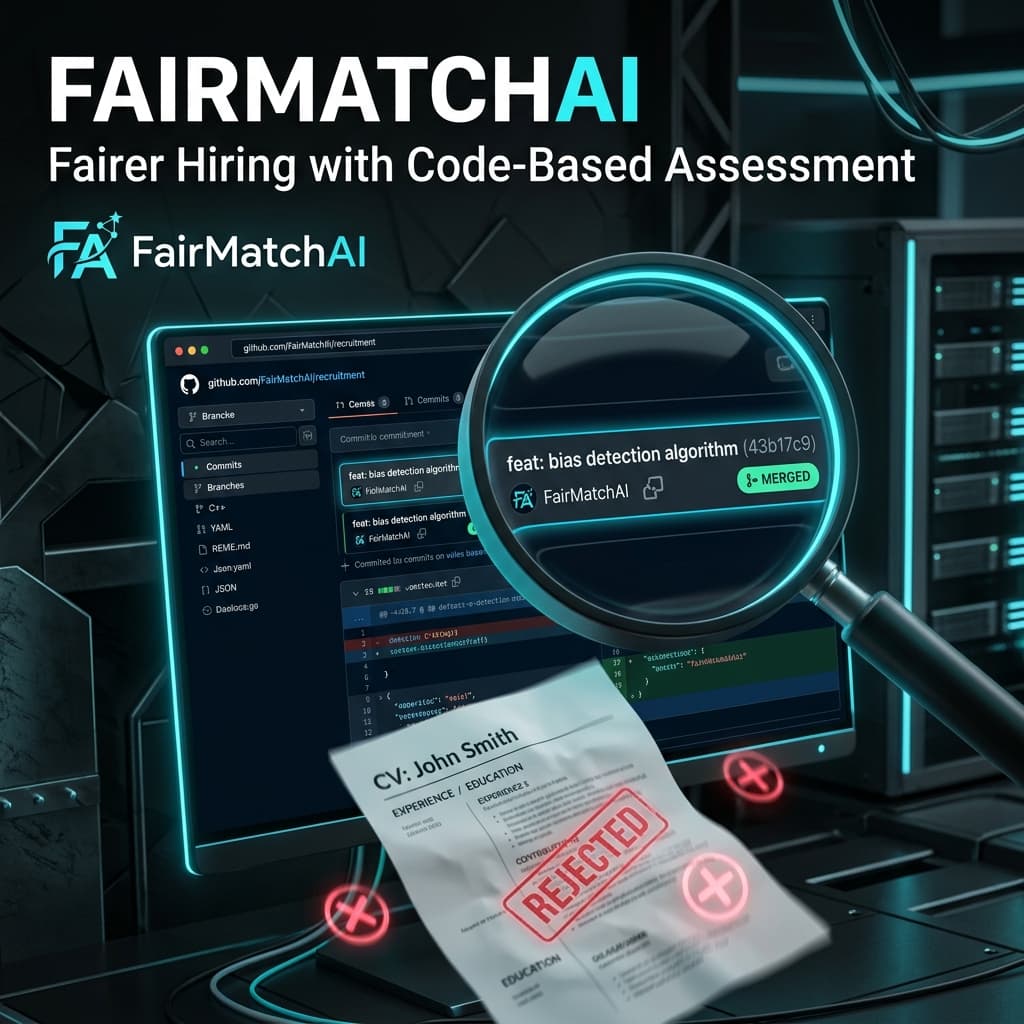
If you want to bypass the resume black hole entirely, platforms like FairMatchAI focus on your actual skills through blind technical evaluations, ensuring your talent speaks louder than your PDF formatting.